MAKING ROOM
Design is a process of morphogenesis – morphê (shape) + genesis (creation) – the biological process through which an organism takes shape. This is done by the differentiation of cells, tissues, and organs to develop systems according to a genetic blueprint and environmental conditions. In our design processes we follow this pattern, searching for the form and material presence of these rooms from the inside outward. Our attention is on the “how” rather than the “what”; on the questions rather than any one answer. Our goal is to strengthen each student’s innate capacities and cultivate resourceful and reflective practitioners, armed with the tools and confidence to challenge and expand the horizon of the discipline.
Life, the everyday and the extraordinary, the mundane and the mythical, the pragmatic and the poetic, takes place in rooms. Places where we wash our bodies or care for our sick. And places where we can escape history and dream of Bill the Lizard and the Mad Hatter. The canopy of the apple tree made room for the original sin. The table hosted the Last Supper and made room for devotion and betrayal. The labyrinth made room for the gruesome and the cruel, and then for triumph and liberation.
No two rooms are exactly the same, nor do they remain the same over time. They are in a state of constant change due to the life they contain and the conditions that surround them. But what is common and unchanging about the rooms we make is that they make room. Room for gratitude and remembrance, room for forgiveness and acceptance, room for reflection and joy. They make room for the human condition to unfold.
KHiO 2025
Text
Pavlina Lucas MArch PhD, Professor of Interior Architecture and Furniture Design, Head of Bachelor programme, Oslo National Academy of the Arts, Design Department
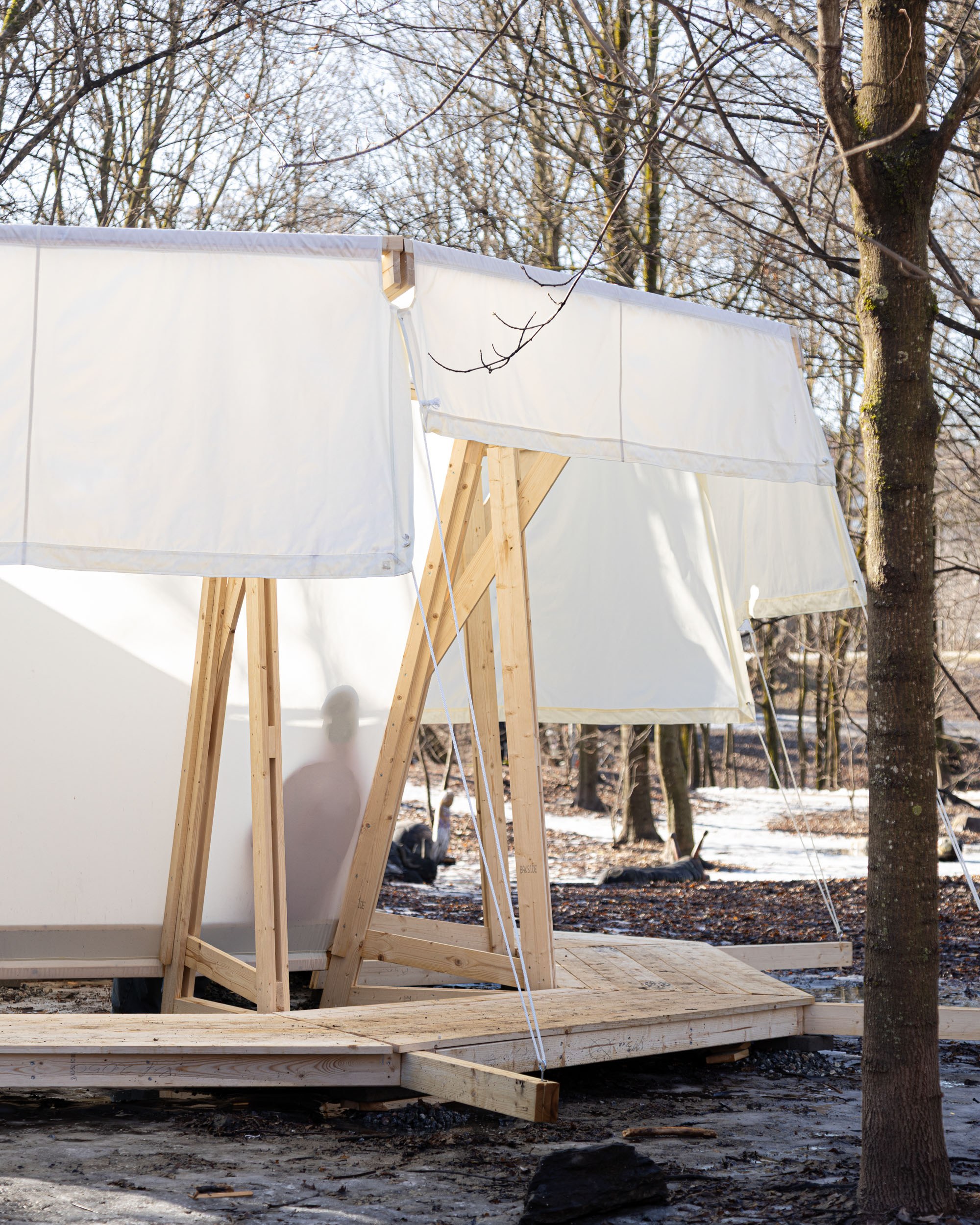
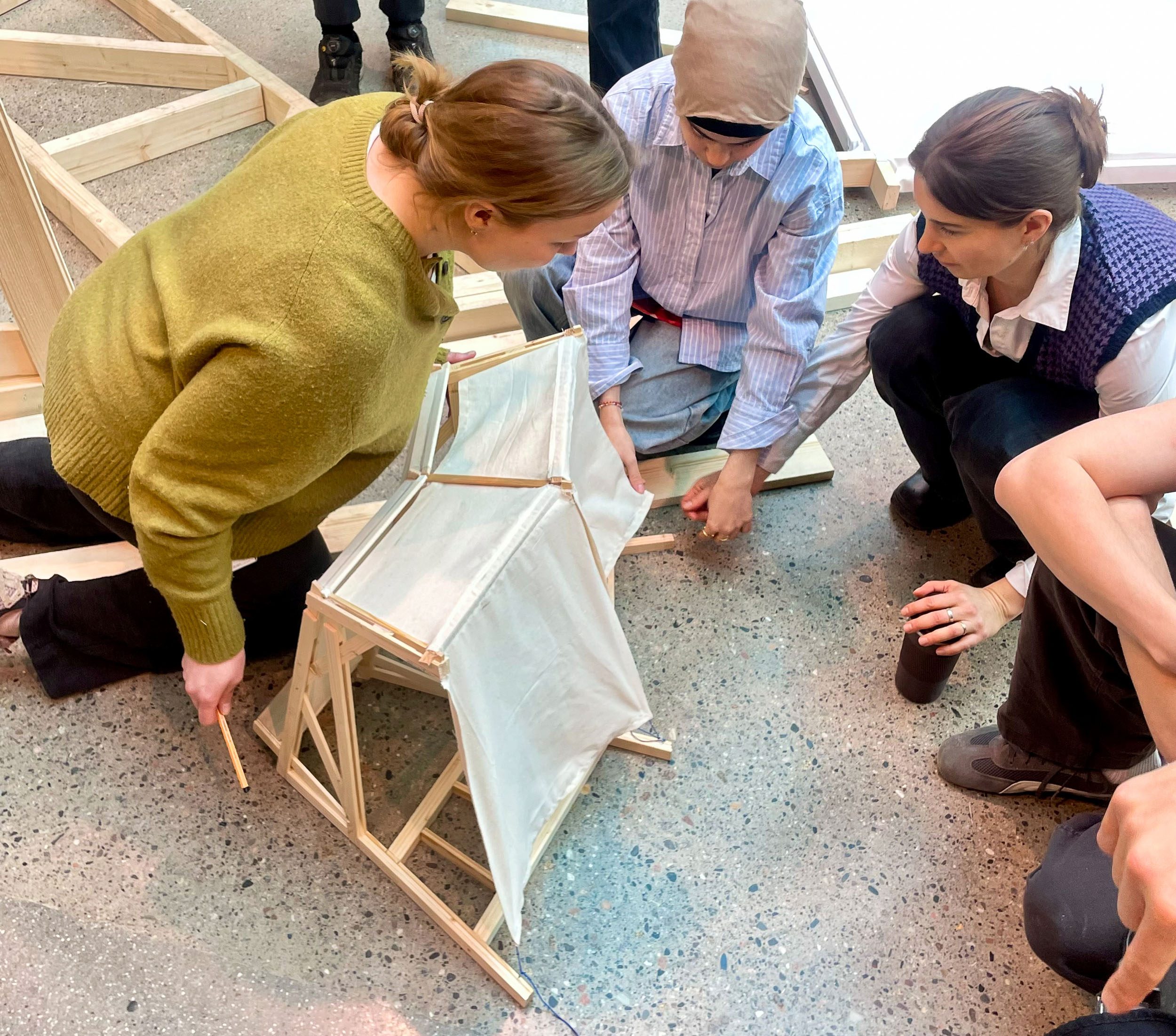
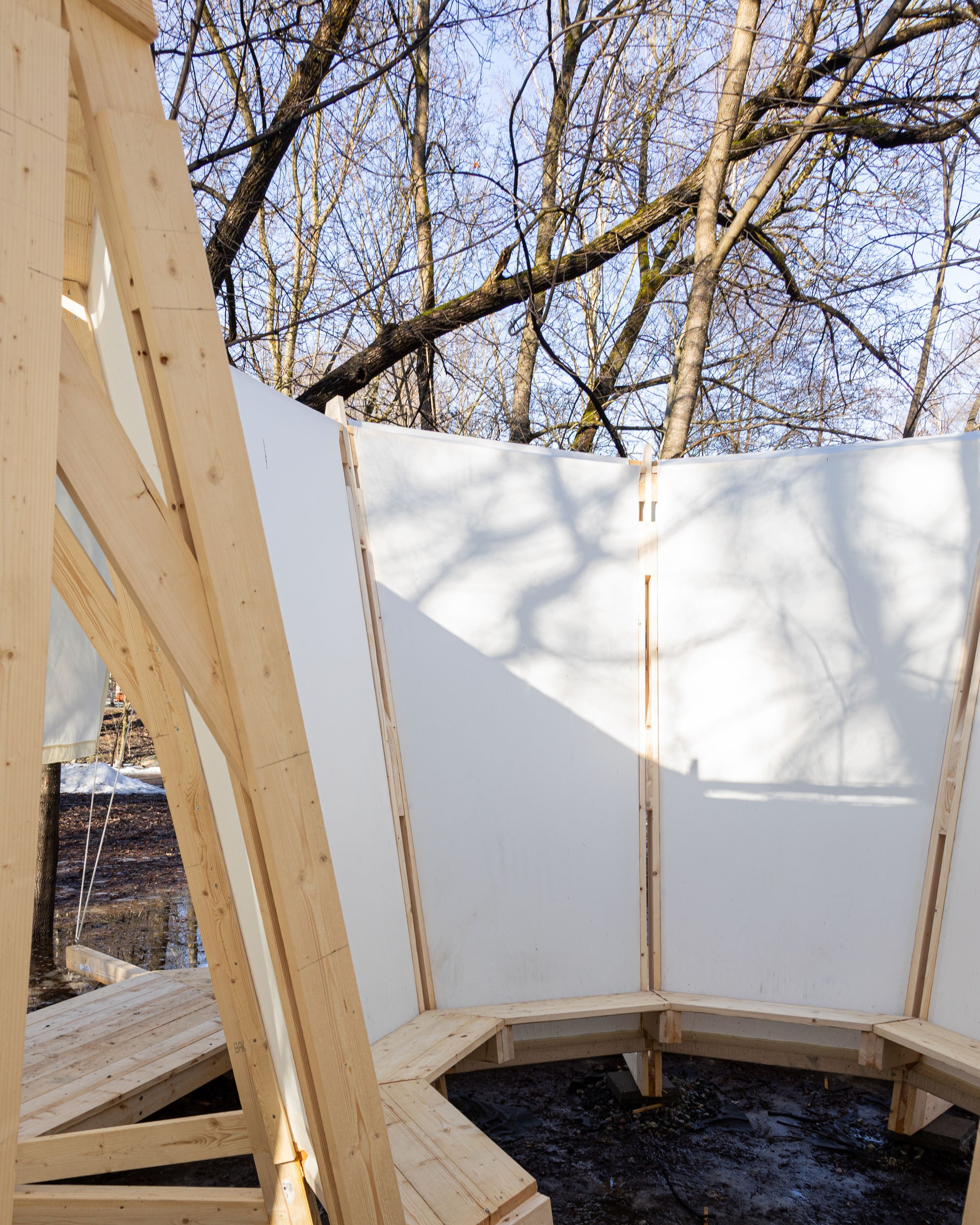
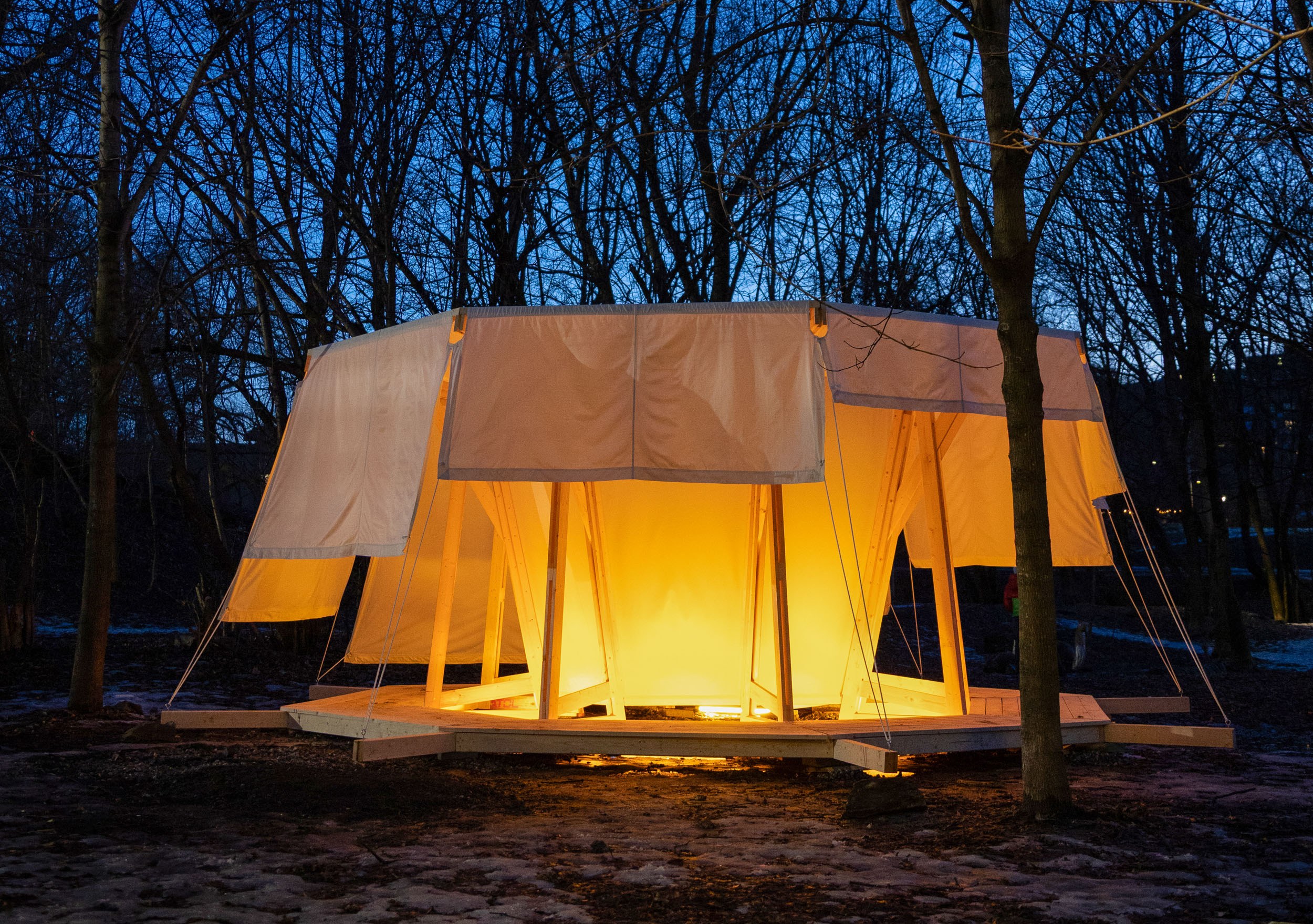
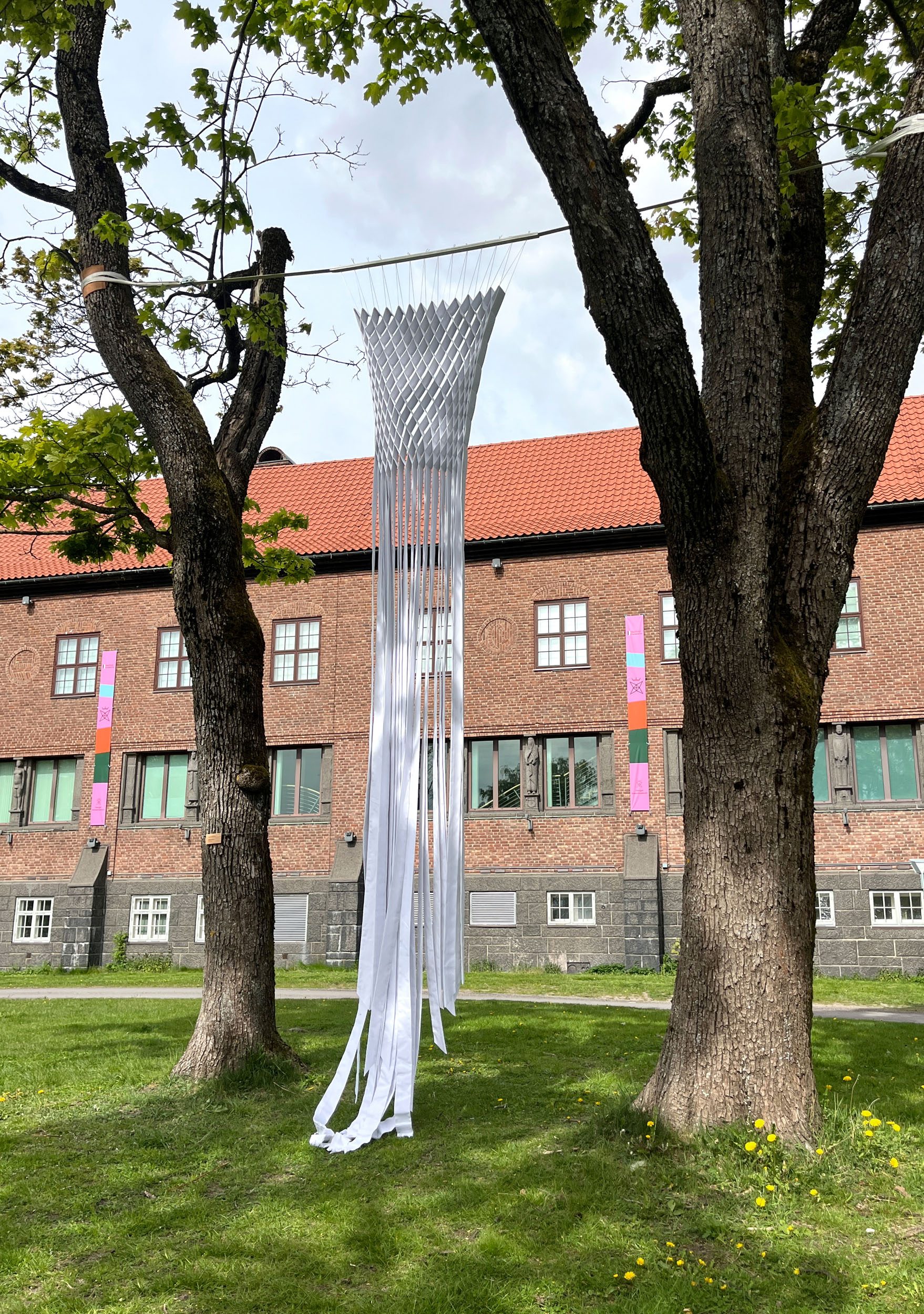
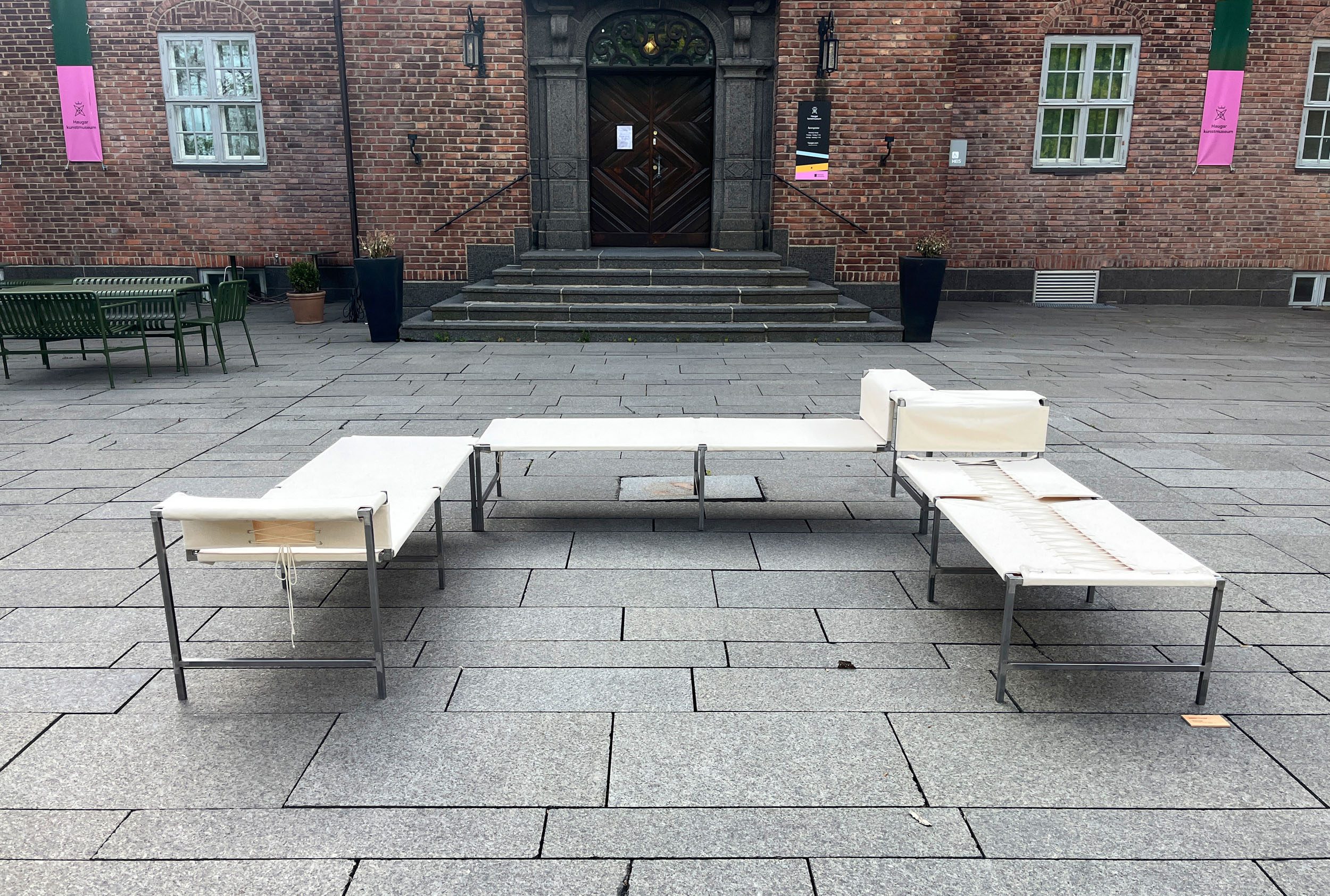
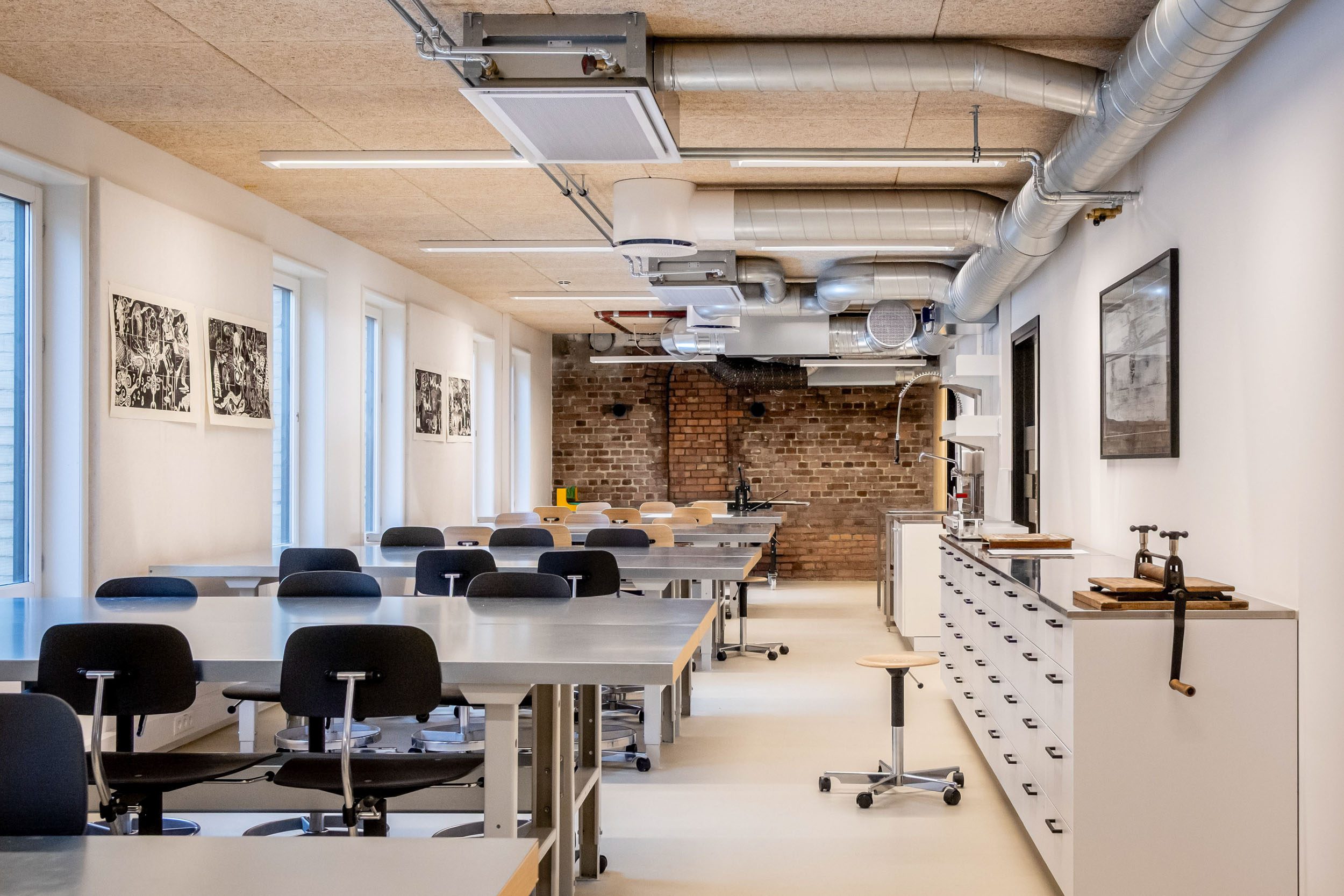
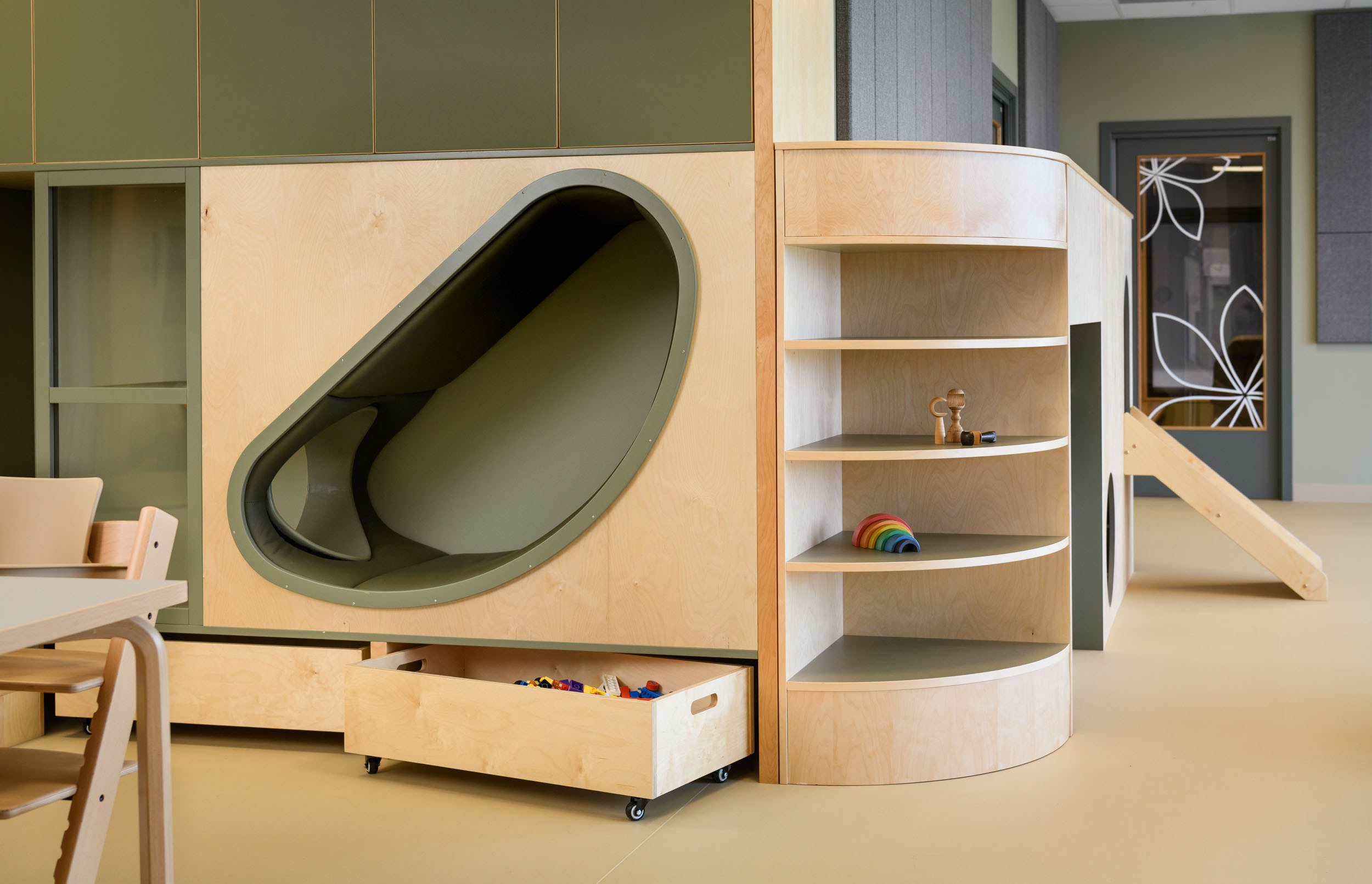
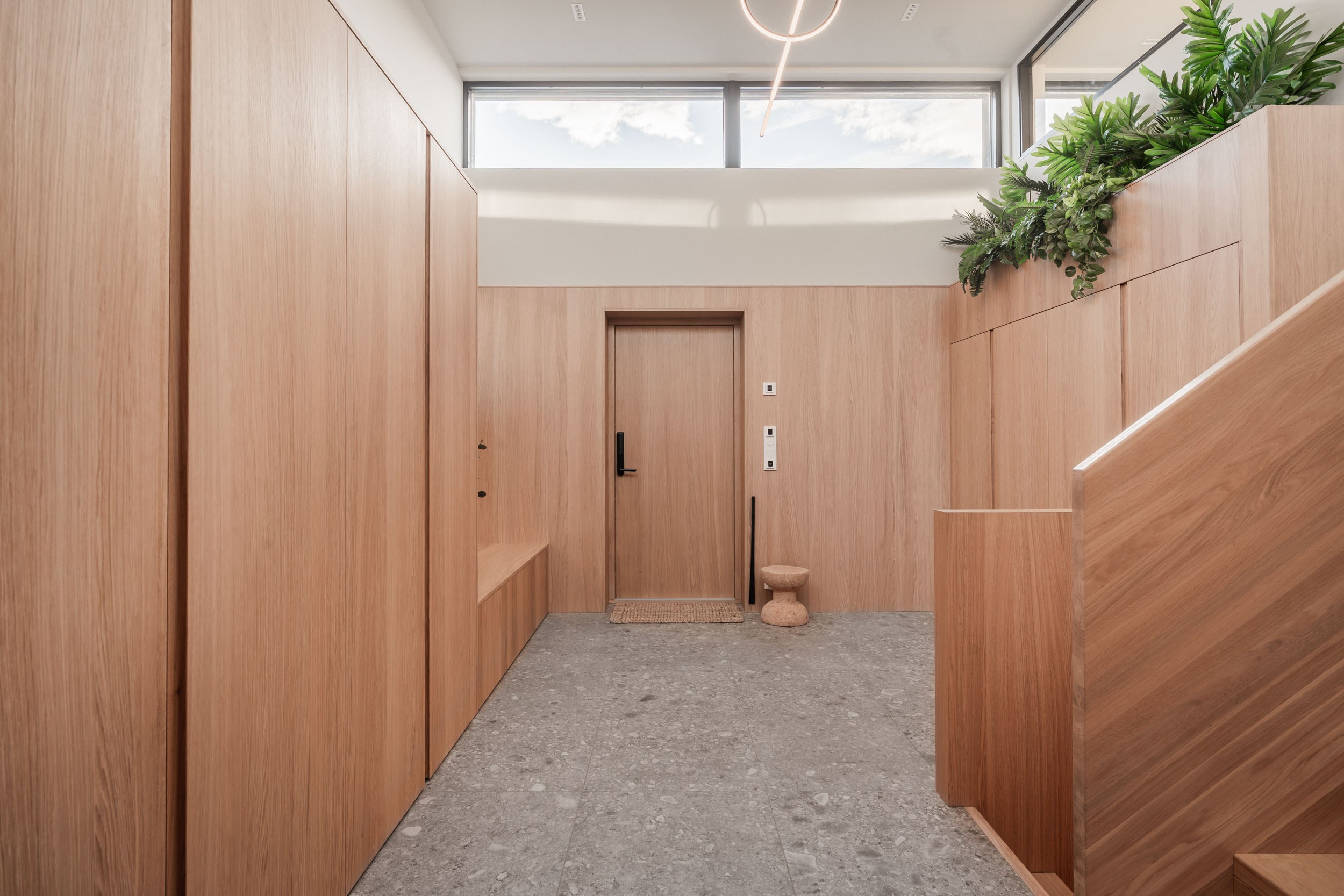
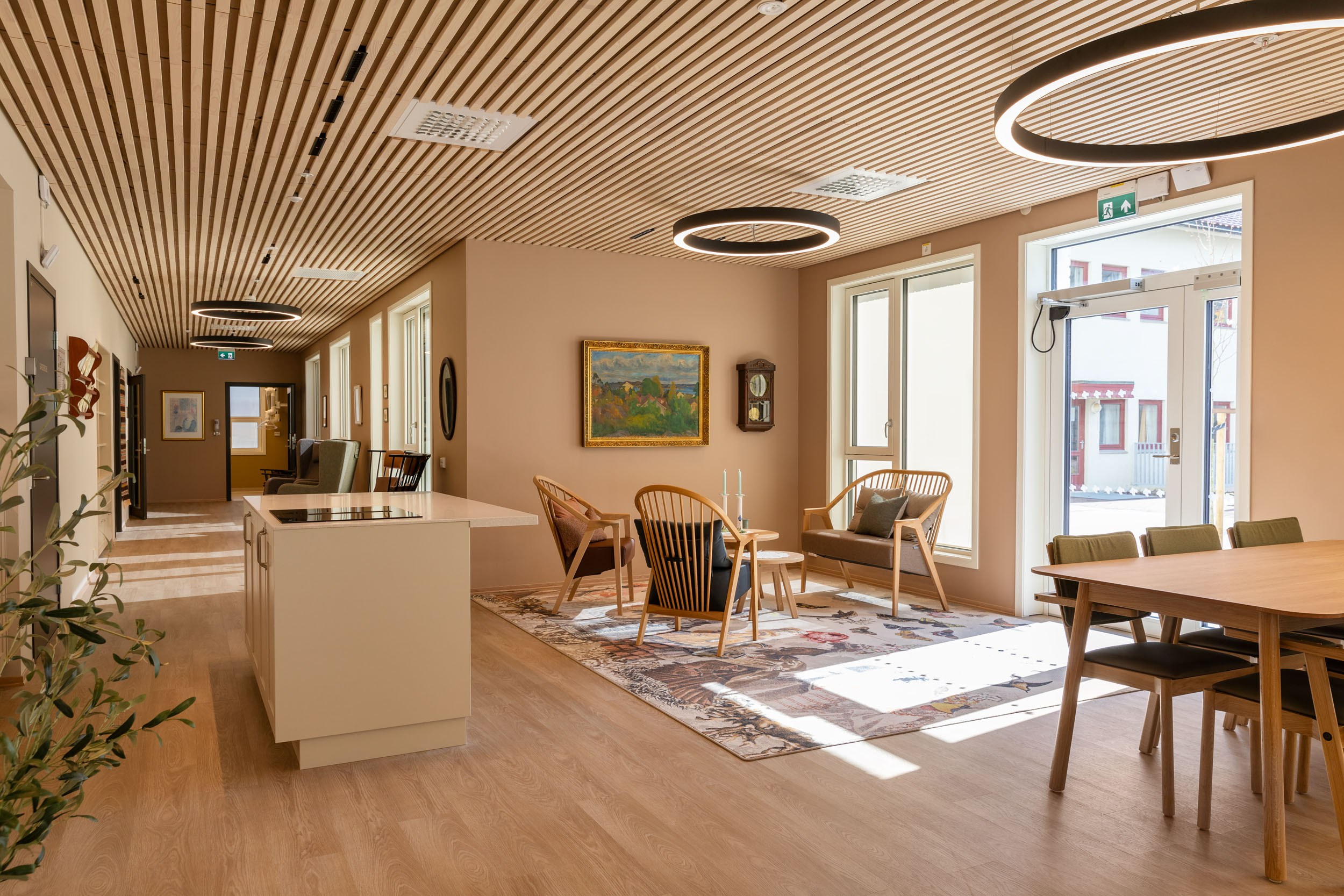
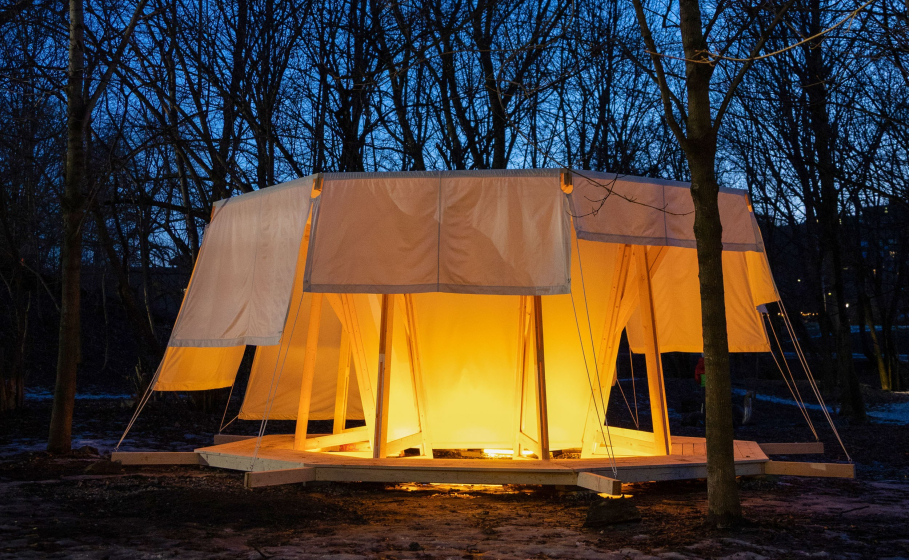
Here, in the Interior Architecture and Furniture Design programme, we make rooms. We imagine them and then we draw and model them to find out more and more about them: their form, their structure and materiality, and how they change through use and through the seasons. These rooms need not be inside or fully enclosed. A carpet, a canopy, or a piece of furniture, placed with intention in a specific context, can create a room.
KHiO 2025
Text
Pavlina Lucas MArch PhD, Professor of Interior Architecture and Furniture Design, Head of Bachelor programme, Oslo National Academy of the Arts, Design Department
Here, in the Interior Architecture and Furniture Design programme, we make rooms. We imagine them and then we draw and model them to find out more and more about them: their form, their structure and materiality, and how they change through use and through the seasons. These rooms need not be inside or fully enclosed. A carpet, a canopy, or a piece of furniture, placed with intention in a specific context, can create a room.